
Case Study
Steam System Engineering Support for Veterans Hospital ESPC Project Development
Steam Management Inc. (SMI) partnered with an ESCO to support steam system improvements at a large federal healthcare facility in the southern United States.
The project was developed as part of a broader Energy Savings Performance Contract (ESPC) initiative aimed at identifying and implementing energy conservation measures (ECMs) that improve reliability, reduce operating costs, and support federal energy and decarbonization goals.
SMI supported the ESCO during the audit, development, and engineering phases of the ESPC, providing specialized expertise in steam and mechanical systems.
Customer
The facility’s steam and mechanical infrastructure presented several opportunities for efficiency improvements:
Steam Distribution System
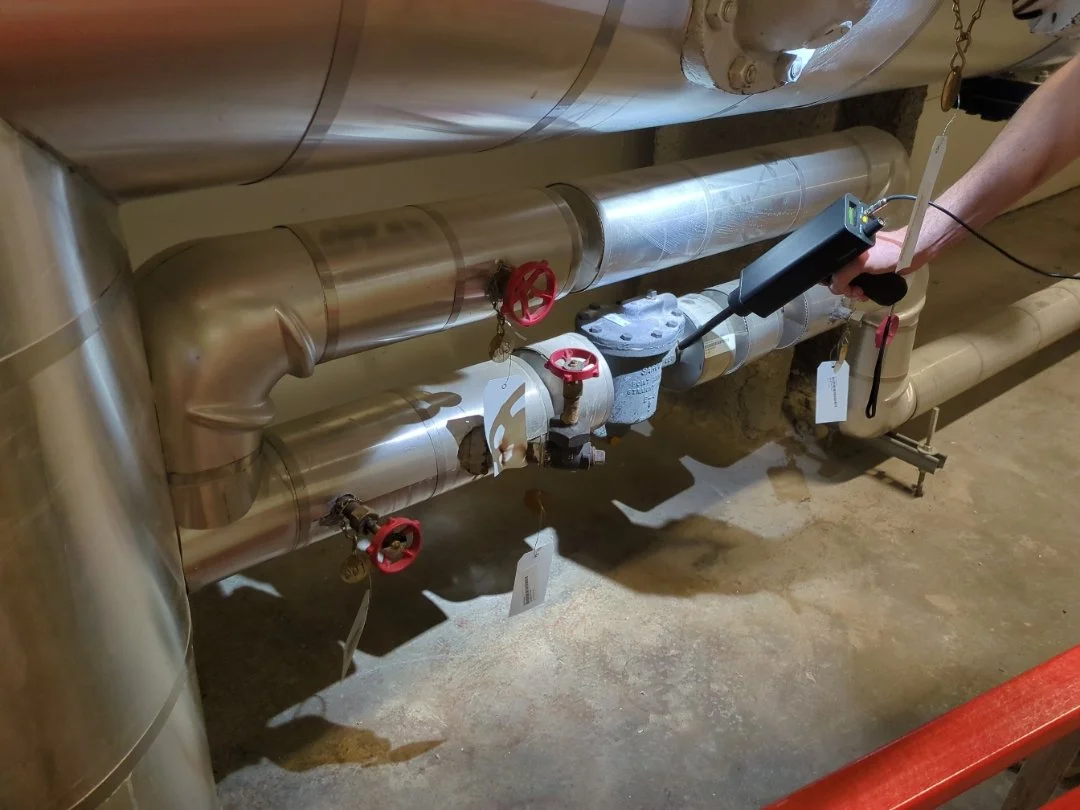
Failed and misapplied steam traps resulting in energy losses
Aging valve trains requiring replacement to comply with VA directives
Opportunities for real-time steam trap monitoring
Mechanical Insulation
Bare or damaged piping
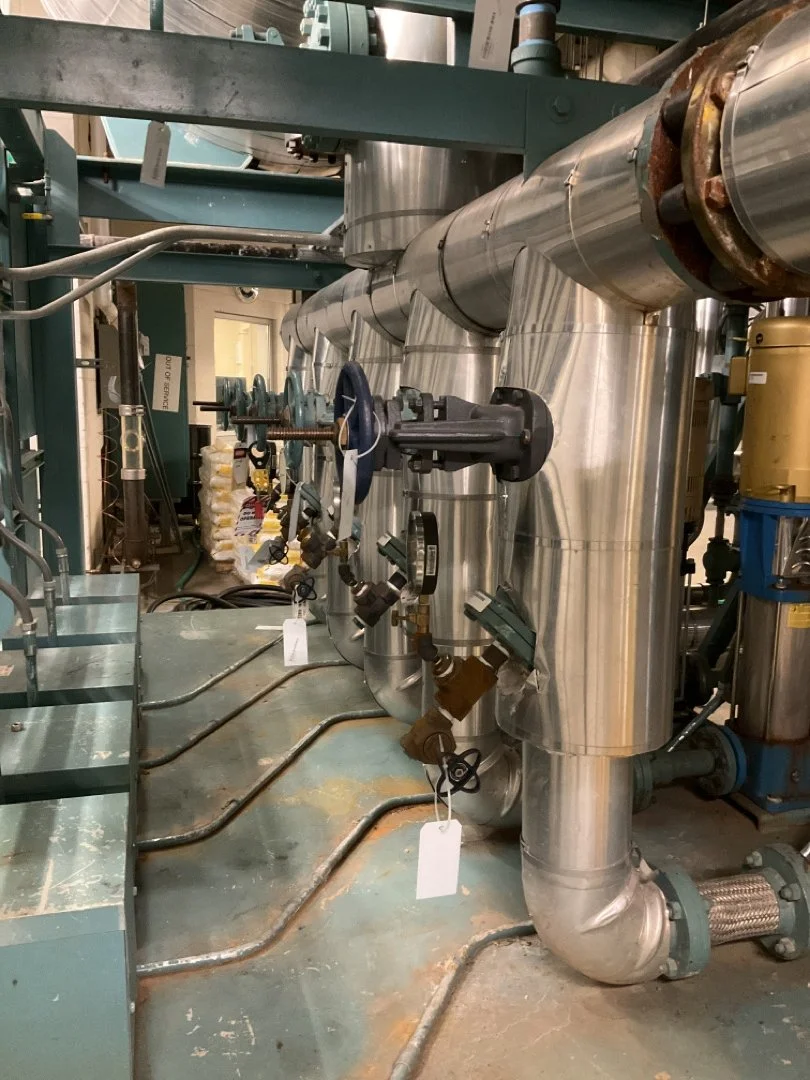
Uninsulated valves, strainers, and pumps with large exposed surfaces
Degraded insulation in mechanical rooms
HVAC Ductwork
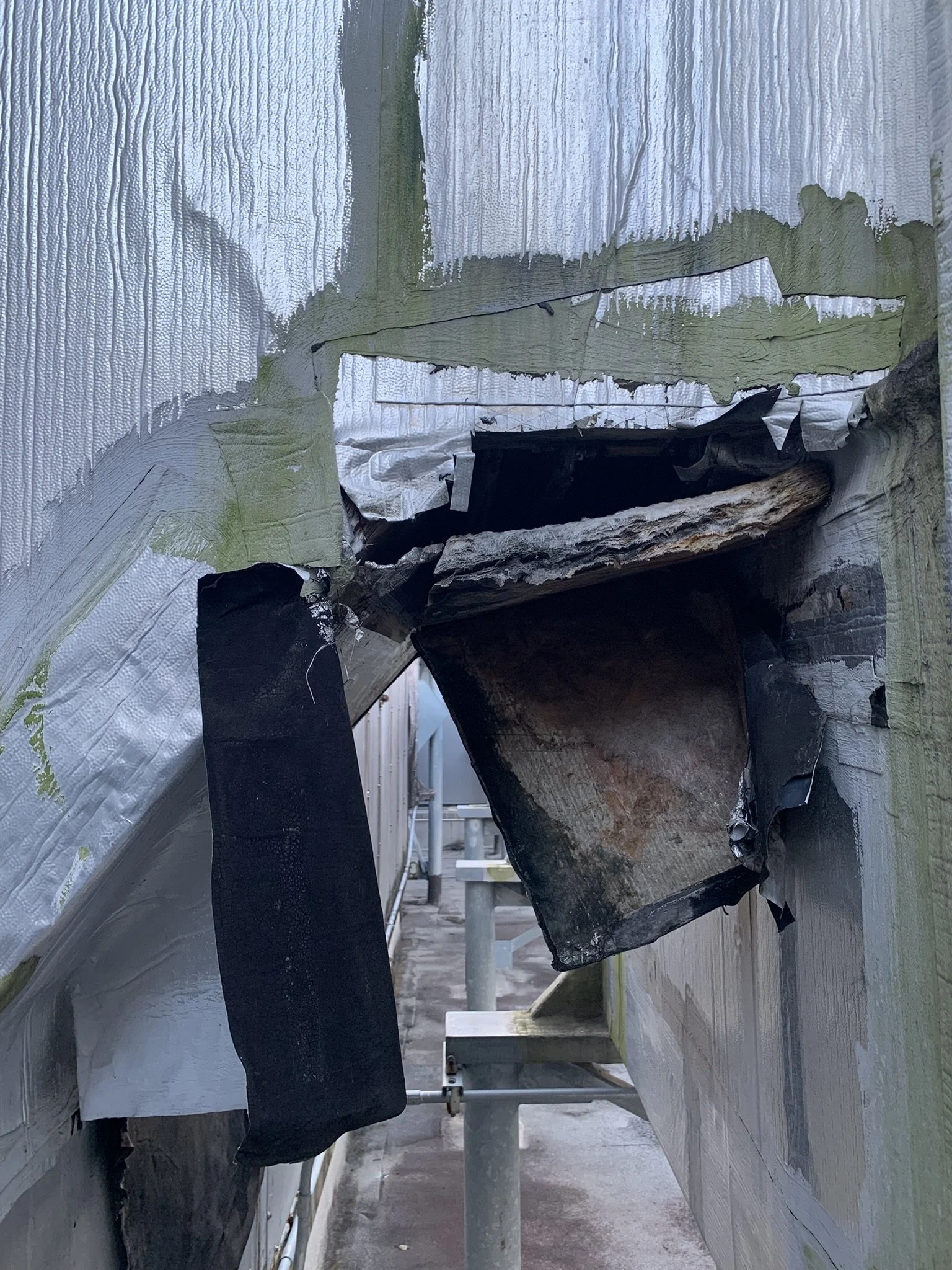
Significant damage to exterior air handling unit duct insulation
Missing or deteriorated vapor barriers on rooftop duct systems
Moisture intrusion and insulation failures due to the humid climate
Boiler Plant Operation
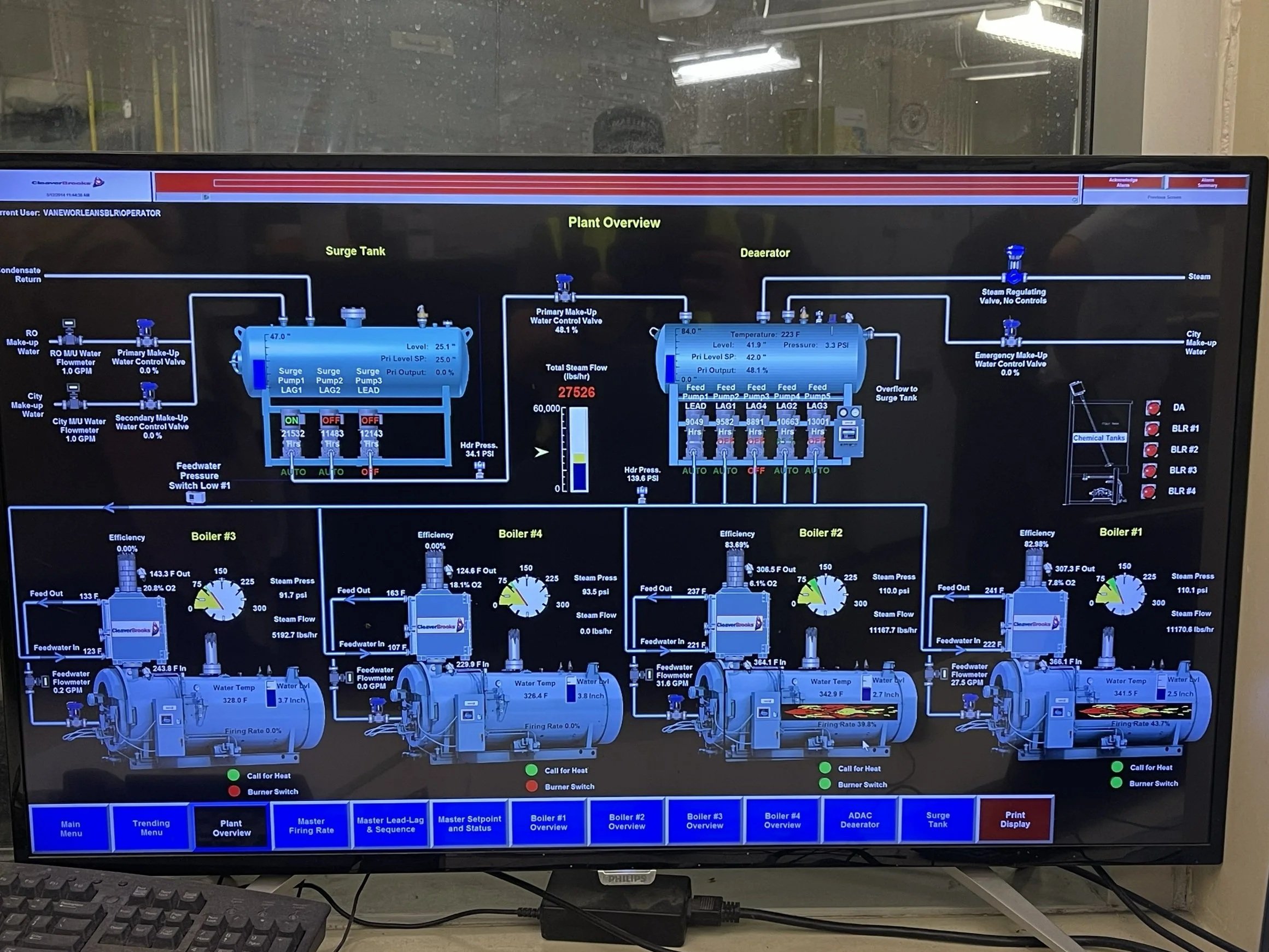
Potential opportunity to reduce steam pressure and associated energy losses
Conditions
Boiler Blowdown Heat Recovery Engineering
SMI engineered a boiler blowdown heat recovery (BDHR) system to capture thermal energy normally lost during surface blowdown.
The proposed system includes:
An ASME-rated flash economizer tank to recover flash steam
Routing flash steam back to the deaerator system
A stainless steel coil heat exchanger within the flash tank
A shell-and-tube heat exchanger to preheat boiler makeup water
Recovered energy from both flash steam and hot blowdown water will reduce fuel consumption while improving overall boiler plant efficiency.
The engineered system was designed to integrate with existing deaerator pressure conditions, minimize facility downtime by installing components prior to tie-ins, and allow BMS trending of key performance data such as temperatures and makeup water valve position
Steam Trap Replacement and Monitoring
SMI conducted a detailed review of the facility’s steam trap population and developed a scope to address failures and compliance issues.
The ECM includes:
Replacement of 28 failed steam traps with VA-compliant equipment
Upgrades to associated valves, strainers, and fittings
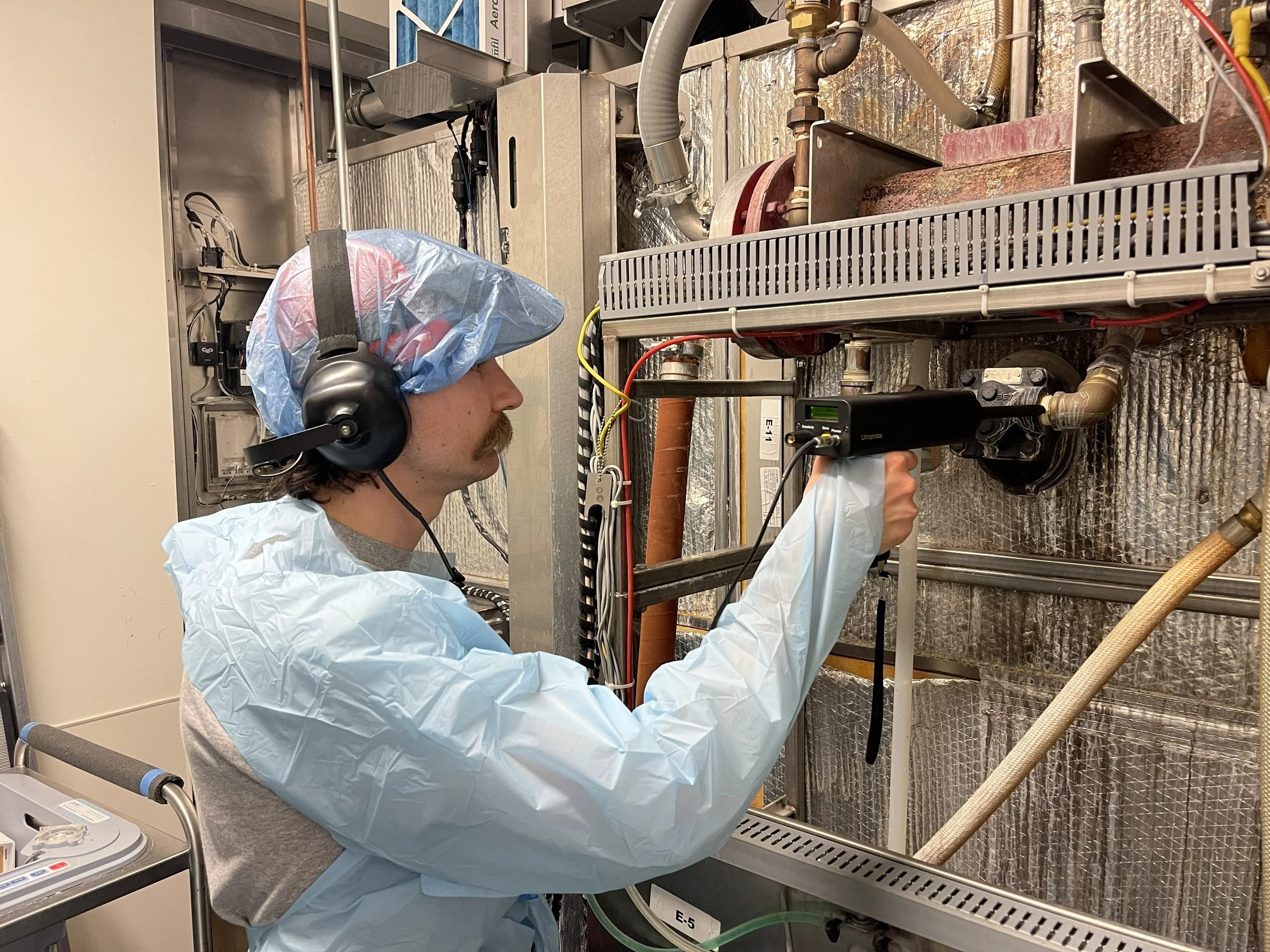
Installation of 106 ultrasonic steam trap monitors
Deployment of a monitoring gateway and signal repeaters throughout the facility
The design ensures compliance with VA directives that prohibit cast iron components in steam systems operating above 15 psig. Post-installation verification will include ultrasonic testing and thermographic imaging to confirm proper operation.
Mechanical Piping Insulation Upgrades
SMI developed a comprehensive insulation upgrade scope targeting steam, condensate, heating water, and domestic hot water systems.
Identified improvements included:
Installing fiberglass pipe insulation (2”–4.5”) on exposed piping
Adding removable insulation covers on valves, strainers, PRVs, flowmeters, and pumps
Addressing damaged or missing insulation in mechanical rooms
These upgrades will reduce heat loss while improving safety and maintainability. Infrared imaging will be used after installation to confirm insulation performance improvements.
HVAC Duct Insulation
SMI identified significant degradation of rooftop air handling unit duct insulation.
The developed ECM includes:
Removal of damaged insulation
Installation of 3” APF board insulation with vapor barrier
Installation of aluminum jacketing with stainless steel banding to protect against weather exposure
The selected insulation system is designed for humid climates, preventing moisture absorption and improving long-term durability. Approximately 12,000 square feet of ductwork will be upgraded.
Boiler Pressure Reduction Engineering
SMI performed engineering analysis and field testing to evaluate reducing the boiler plant operating pressure. A controlled short-term pressure reduction test was conducted, gradually lowering boiler pressure from 110 psig to 80 psig while monitoring system performance.
The results demonstrated:
Stable boiler combustion characteristics
No operational impacts to critical hospital loads
Maintained steam system performance throughout the test period
The analysis concluded that 80 psig operation is feasible under typical load conditions, with additional seasonal testing recommended before permanent implementation.
Lower operating pressure can reduce:
Fuel consumption
Steam losses
Carbon emissions
Solution
Delivering ESPC Projects Through Partnership
Energy performance contracts depend on strong collaboration between ESCOs and specialized engineering partners. At the VA Medical Center, SMI supported the ESCO by providing:
Specialized steam system expertise
Detailed engineering development
Field verification and operational testing
Implementable ECM designs
SMI helped advance multiple steam and mechanical energy conservation measures from concept to engineered project scopes, positioning the ESPC for successful implementation and long-term performance.
Schedule an Assessment of Your Facility
info@steammgt.com
1-800-731-0131